
Bayport, first store
Interior done. Parking done. Cannabis Retailer License DIS-L24-000241.
Brandon Van Asten won a Minnesota social-equity retail license after his felony cannabis distribution records were expunged. The name is a poke at the last twenty years. The store is licensed and built by hand.
In college, Brandon sold cannabis, did four months in jail, and got kicked out of school. He completed additional jail and probation time, got the record expunged, and that history is what made him eligible as a social-equity applicant in Minnesota's lottery. He won a retail license. Then he put a second mortgage on the house and built the majority of the first store himself.
He GC'd the job. Electrical, framing, drywall, and the parking lot were contracted. He did the bathroom renovation, the store and sign design, installed the garage doors, wired the security equipment, and designed and built the display cases. Wherever the bottleneck was, that is where he spent the hours. Plenty of 10-hour days, including nights sleeping on the floor to keep the project moving. There is no large team or investor group behind this. One owner, one store, and a lot of hustle.
Build stores people trust, give employees real ownership of the work, and improve the operation one shift at a time.
High school film class · 2009
Brandon made a four-part documentary on cannabis for a film-class in high school. He called it Potamentary and it surprisingly still sticks. It was recorded on an old computer mic and the picture quality is 2009 amateur YouTube, but the messaging is dialed. This is not here because a teenager predicted Minnesota retail. It is here because the question has not changed much: why was this plant treated like a monster, and why was the underground doing a job a store should do.
The film walks through the scare stories, then the history. Bad science. Racism. A federal bureau that needed a bigger enemy. Growers, agencies, and other industries that did just fine with the ban. Then it puts alcohol prohibition next to cannabis prohibition and lets that sit. The closer is the part that still matters in Bayport. A ban did not make alcohol safer. It will not make cannabis safer. A shop does.
Some people meet a new dispensary owner and want to know if they have been in this a long time, or if they just found a license. Fair question. Watch the film. Then come see the store.
About 39 minutes, four parts. A few lines are of their time, including the budget numbers and the way a 17-year-old talks. The core still stands. This is not medical advice, and it is not the shopping guide. For labels, testing, and how we sell, see Cannabis 101.
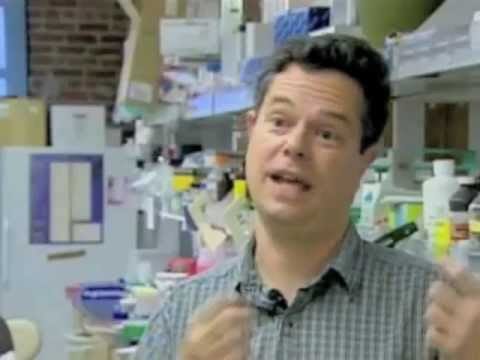
Part 1
What the plant is, how people use it, and why medicine and hemp got buried under one scary word.
Watch on YouTube
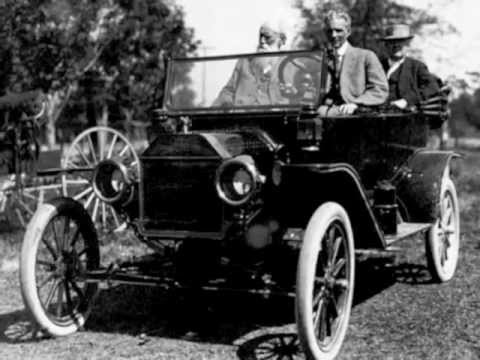
Part 2
Gateway. Brain cells. Stupidity. The black market as the actual problem.
Watch on YouTube

Part 3
Why it was banned. Racism, a new federal bureau, and a lot of people who needed the war to stay a war. YouTube may ask your age.
Watch on YouTube
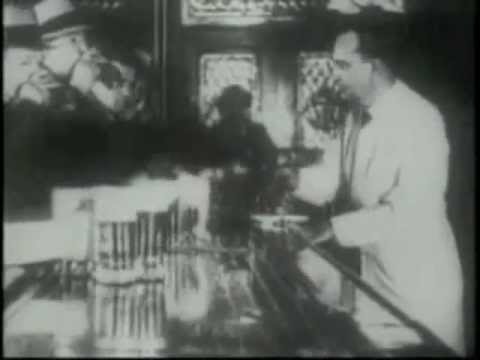
Part 4
Alcohol prohibition as the warning. The closer: put it in a shop.
Watch on YouTube
Interior done. Parking done. Cannabis Retailer License DIS-L24-000241.
Property in hand. Build-out still ahead. Bayport is open. Wabasha is next.
Founder on the floor. Honest about inventory. No pressure to oversell.
A high-visibility location on the main traffic route through Bayport, with a completed interior, finished rear customer parking, and a Minnesota cannabis retailer license. Open noon to 8 daily since October 5, 2026.
A second Minnesota community in the current roadmap. Timing follows Bayport execution and the approvals that come with it.
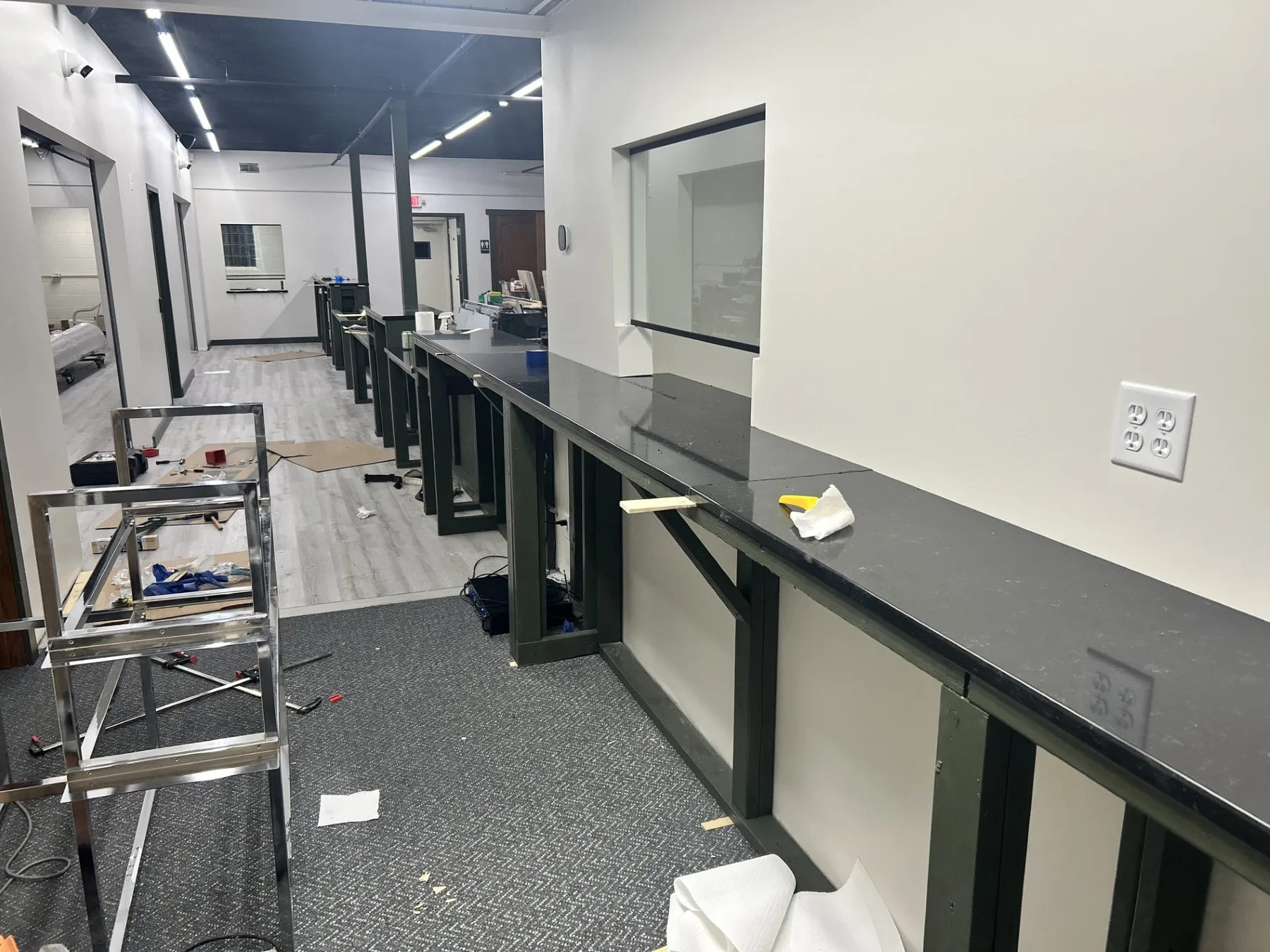
Labor efficiency was at the top of the list when we designed and built the store. Budtenders can check IDs from people coming in on both sides, using the security checkpoint windows between each lobby and behind the sales counter. Garage doors make inventory easier to reach and make opening and closing simpler. A low fixed-cost structure and efficient labor are how we stay competitive, even if the rules or the competition change.
The name gets you in the door. The shift is what makes you come back. Core customers, people who already use cannabis, will not be scared off by “My Dealer.” Grandma buying a tincture still has to feel comfortable. That is why the cartoon head, and why the stick figure, and why we talk like a person.
This page is general business information, not a securities offering. No investment terms are presented on this website.